Lhasa 拉萨
Lhasa, making room for altitude and attention
Lhasa calls for a slower approach from the beginning. Allow space to adjust to elevation, understand the conditions of your visit and approach religious places with care. A city-focused stay can connect remarkable buildings with gardens, food and everyday streets without rushing into higher, more demanding excursions.
Original planning guide · Not a first-hand travel account
Resized to at most 800 pixels and converted to WebP. Display-cropped to fit the page.
Keep arrival day genuinely light
The first day should prioritise settling in rather than completing a sightseeing list. Choose a short, gentle outing only if you feel well and keep the rest of the schedule flexible. Lhasa’s elevation affects travellers differently, and previous fitness does not remove altitude risk. Discuss relevant health concerns with a qualified professional before travel, and follow local medical advice promptly if symptoms develop or worsen during the stay.
Approach the religious centre respectfully
The Jokhang and Barkhor area is an active spiritual and commercial environment, not simply a heritage backdrop. Follow current visitor instructions, keep clear of worshippers and ask permission before photographing people. Move with care through crowded sections and leave devotional activity undisturbed. A knowledgeable guide can provide context while helping visitors understand which areas are accessible and where silence, dress or photography rules need particular attention.
Give major buildings separate days
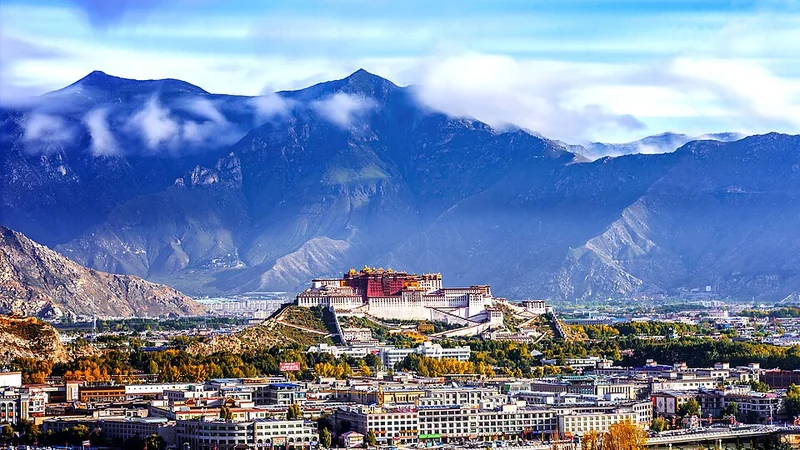
The Potala Palace involves timed arrangements and significant steps, so plan it when the group is comfortable with the altitude and the confirmed visit requirements. Norbulingka offers a different scale through its gardens and buildings and can provide a gentler contrast on another day. Do not automatically add a higher lake excursion to fill spare time; a measured city stay may be the more suitable and rewarding choice.
At the table.
Momos, tsampa and butter tea offer different introductions to Tibetan food. Ask about meat, dairy and broth ingredients, and choose portions that suit your appetite. A familiar, simple meal is also reasonable while adjusting to the journey.
Before you go.
Foreign visitors generally need advance Tibet permit arrangements through an authorised travel agency, with additional requirements depending on nationality and itinerary. Confirm current rules before booking transport. Build acclimatisation time into the plan, discuss altitude risks with a qualified clinician, and do not rely on this guide as medical advice.
This is a planning guide, not a live availability report. Confirm opening arrangements, reservations, transport, access rules and dietary needs before travelling.
Places & flavors to explore.
Regional excursions may need a separate travel day.
Turn an idea into your journey.
Share your interests and dates. A trip designer can shape the details around you.